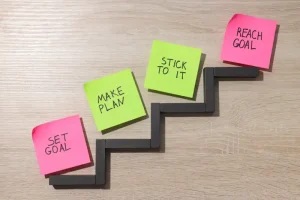


Career advancement rarely happens through experience alone. Professionals need to understand their strengths, recognize development opportunities, and prepare for changing workplace expectations. Without a clear direction, it is easy to remain busy without making meaningful progress. A professional growth plan provides a structured way to connect everyday work with long-term career ambitions. It identifies the capabilities you need, the actions required to develop them, and the results that demonstrate improvement. This professional growth plan guide explains how to build a practical strategy that supports personal development and career advancement. Whether you want to earn a promotion, move into leadership, become a specialist, or transition into a different industry, a clear plan can help you make informed decisions. It also encourages you to take responsibility for your development instead of waiting for opportunities to appear.
Understanding the Purpose and Structure of a Professional Growth Plan
A professional growth plan is a personal development strategy that outlines where you want your career to go and how you intend to get there. It connects your current abilities with the knowledge, experience, and professional behaviors required for future responsibilities. Unlike a general career ambition, it includes specific actions and ways to measure progress. A useful plan usually contains several elements. These include a career direction, an assessment of current capabilities, development priorities, learning activities, milestones, and progress indicators. For example, someone aiming to become a department manager may need to strengthen delegation, conflict resolution, budgeting, and strategic planning. Their plan should identify how they will develop these abilities and where they can practice them. A growth plan should also consider organizational expectations. The skills valued by an employer may create opportunities for promotion or expanded responsibilities. However, professional development should not be limited to the needs of one organization. Your interests, values, and long-term ambitions matter too. A balanced plan supports current performance while preparing you for future opportunities. It should remain flexible because career interests, workplace conditions, and industry requirements can change.
Discover Career Opportunities Through Self-Assessment
A strong development strategy begins with an honest understanding of your current position. Review your professional achievements, responsibilities, and experiences. Identify tasks you perform confidently and situations where you need additional support. Consider the projects that produced your strongest results. What skills helped you succeed? Were you effective because of technical knowledge, communication, organization, or problem-solving? These questions help reveal capabilities that can support your next career stage. Also consider the type of work that motivates you. Some professionals enjoy solving complex technical problems, while others prefer coordinating teams, managing client relationships, or developing new business opportunities. Your preferred working environment can influence which career paths are suitable. Feedback adds another useful perspective. Managers and colleagues may recognize strengths or development needs that you overlook. Review performance evaluations and ask for specific examples rather than relying on general comments.
Examine Your Professional Strengths and Working Preferences
Create an inventory of your existing skills and professional achievements. Include technical abilities, communication, teamwork, adaptability, leadership, and industry knowledge. Support each strength with evidence. For example, successful project delivery may demonstrate planning and coordination skills. Positive client feedback may indicate strong relationship management. This makes your self-assessment more objective. Next, identify the working conditions in which you perform best. You may prefer independent problem-solving, collaborative projects, client-facing responsibilities, or structured environments. These preferences can help you choose development opportunities that match your strengths. They should not limit your growth, but they can guide your decisions.
Identify the Capabilities Needed for Future Roles
Once you understand your current capabilities, research the roles you may want to pursue. Review job descriptions, professional standards, industry publications, and the career paths of experienced professionals. Identify the technical knowledge, qualifications, and practical experience expected in those positions. Compare these requirements with your current skills. This comparison reveals the gaps that should become development priorities. Focus on the requirements that have the greatest influence on your intended direction. Some skills may also transfer across industries. Communication, analytical thinking, project coordination, and problem-solving are useful in many professional settings. Developing these capabilities can preserve flexibility if your career interests change.
Connect Personal Development With Career Advancement Opportunities
A growth plan becomes more effective when it connects learning with realistic career opportunities. These opportunities may include promotion, specialist responsibilities, leadership positions, internal transfers, or a move into another industry. Start by understanding what advancement means in your chosen field. In some professions, progress depends on technical expertise and recognized qualifications. In others, it may depend on managing people, delivering business results, or developing client relationships. Researching these expectations helps you avoid investing time in skills that have little relevance to your goals. Consider your organization’s priorities as well. Businesses may value employees who can improve efficiency, manage projects, support customers, or introduce new processes. Aligning your development with these needs can make your contribution more visible. However, do not build your entire plan around a possible promotion. Organizational changes, budgets, and staffing decisions can affect advancement opportunities. Develop capabilities that remain valuable even if a particular position does not become available. A clear growth strategy also improves conversations with managers. Instead of simply requesting a promotion, you can explain the responsibilities you want to take on, the skills you are developing, and the results you aim to deliver.
Choose Development Activities That Produce Practical Results
Once you identify your priorities, select learning activities that address them. Formal education, professional certifications, workshops, online courses, and independent study can all support development. The right option depends on the skill involved and the requirements of your target role. A certification may be essential in a regulated profession. A short course may be sufficient for learning a new software tool. Leadership skills, however, often require practical experience and feedback. Avoid choosing training simply because it is popular. Evaluate whether the activity supports a specific development objective. Consider the quality of the provider, the time commitment, the cost, and opportunities to apply the knowledge. Learning should produce a useful change in how you work.
Combine Learning With Workplace Application
Practical application turns information into professional capability. If you complete a course in project management, volunteer to coordinate a small workplace initiative. If you study data analysis, use the techniques to examine a real business problem. Professionals can also request stretch assignments that involve responsibilities beyond their usual role. Cross-functional projects provide exposure to different teams and working methods. Job shadowing can help you understand positions you may want to pursue. These experiences also create evidence of your ability. Record the responsibilities you handled, the problems you solved, and the outcomes you achieved. This documentation can support performance discussions and future applications. When a formal opportunity is unavailable, create smaller practical projects. You could develop a process improvement proposal, prepare a sample analysis, or organize a knowledge-sharing session. The important point is to demonstrate that you can apply what you learn.
Use Mentoring and Feedback to Improve Performance
Mentors can provide guidance that formal training may not offer. They can explain workplace expectations, share lessons from their careers, and help you evaluate difficult decisions. Look for someone whose experience is relevant to your development priorities. A mentor does not need to work in the same organization, but they should understand the challenges you are trying to address. Prepare focused questions before mentoring discussions. Ask about managing difficult stakeholders, preparing for leadership responsibilities, or developing specialist expertise. Feedback from managers and colleagues is equally important. Request comments on specific tasks and behaviors. For example, ask how you could improve a presentation or handle project deadlines more effectively. Use the feedback to identify actions rather than treating it as a judgment of your ability. Constructive guidance is most valuable when followed by deliberate practice.
Turn Career Expectations Into a Realistic Development Roadmap
A professional ambition becomes manageable when divided into smaller stages. Begin with your long-term direction, then identify the achievements needed to reach it. These may include completing a qualification, gaining experience in a new function, leading a project, or improving a specific capability. Organize them into short-term, medium-term, and long-term milestones. Short-term objectives could involve completing a course or practicing a new skill over several weeks. Medium-term milestones might include managing a project or taking responsibility for a larger client account. Long-term outcomes could involve moving into management or becoming a recognized specialist. Use the SMART framework to make goals specific, measurable, achievable, relevant, and time-bound. Instead of writing “become a better communicator,” set a target to deliver regular presentations and request feedback over a defined period. Assign each goal a deadline, required resources, and a clear measure of completion. Keep the number of priorities manageable. Pursuing too many objectives at once can divide attention and reduce consistency. Two or three meaningful development priorities are often more useful than a long list of unrelated ambitions. Review your roadmap when responsibilities change or new opportunities appear.
Measure the Impact of Your Professional Growth Plan
A development plan needs regular evaluation to remain useful. Set review dates and compare your current abilities with the starting assessment. Look for evidence that your learning has improved work quality, productivity, decision-making, or professional confidence. Useful indicators include completed qualifications, successful projects, positive performance feedback, expanded responsibilities, and greater independence. Not every result will be measured through numbers. Improved collaboration or stronger communication may be demonstrated through specific workplace examples. Keep a development record that includes completed activities, lessons learned, feedback, and outcomes. This creates a clear picture of your progress. It also helps you explain your professional contribution during performance reviews or interviews. If an activity produces little improvement, reconsider the method. A course may provide useful information but insufficient practical experience. In that case, add a workplace assignment or mentoring session. Review your career direction as well. Your interests may change as you gain experience, and industry developments may create new opportunities. Adjust the plan when necessary rather than following outdated objectives simply because they were part of the original strategy.
Overcome Barriers That Can Slow Career Progress
Even a well-designed plan can face practical obstacles. Limited time is one of the most common challenges. Work responsibilities and personal commitments may make regular learning difficult. Break development activities into smaller sessions and schedule them in advance. A consistent thirty-minute learning period can be more sustainable than an unrealistic plan requiring several hours every day. Financial restrictions can also limit access to training. Before paying for expensive programs, explore employer-sponsored learning, free courses, professional communities, and practical workplace assignments. Lack of career direction is another challenge. If you are uncertain about your next role, focus on transferable capabilities while researching possible paths. This allows you to make progress without committing too early to one option. Motivation may decline when results take longer than expected. Use smaller milestones to recognize progress and maintain momentum. Avoid comparing your development speed with someone else’s career. People have different resources, responsibilities, and opportunities. The objective is to make consistent progress from your own starting point. If unexpected changes disrupt your schedule, revise deadlines and priorities instead of abandoning the entire plan.
Build Long-Term Career Confidence Through Continuous Development
Professional expectations continue to evolve as technology, business models, and workplace practices change. Skills that were valuable several years ago may need to be updated. Continuous development helps professionals remain adaptable and prepared for new responsibilities. It also builds confidence because you become more capable of handling unfamiliar tasks. Make learning part of your normal working routine. Follow relevant industry developments, participate in professional discussions, and review the tools used in your field. Look for opportunities to share knowledge with colleagues. Teaching others can strengthen your own understanding and demonstrate professional leadership. Periodically reconsider your career interests and identify new areas worth exploring. A growth plan should provide direction without becoming a rigid set of rules. Its purpose is to help you make better decisions as your experience develops.
Conclusion
A professional growth plan gives career development structure and purpose. It helps you assess your current capabilities, identify future opportunities, and choose learning activities that support meaningful progress. It also connects professional ambitions with measurable actions and practical workplace experience. By using this professional growth plan guide, you can create a strategy that supports both immediate performance and long-term advancement. Seek feedback, document your achievements, and review your priorities regularly. Most importantly, remain flexible as your interests and professional environment change. Career advancement is not a single event. It is the result of continuous learning, practical experience, and informed decisions. With a clear development strategy, you can take greater ownership of your career and prepare for opportunities with confidence.