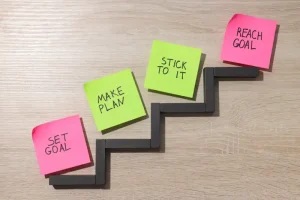


Career advancement rarely follows a perfectly predictable path. New opportunities emerge, workplace expectations change, and employees often discover that their existing skills are not enough for the next stage of their careers. Progress therefore requires more than ambition. It needs direction, preparation, and consistent action. Job development goals provide a practical framework for managing this process. They help employees identify the capabilities they need, plan relevant learning activities, and demonstrate improvement through workplace results. Instead of waiting for a promotion or new responsibility to appear, professionals can prepare for opportunities before they become available. This job development goals guide explores how structured objectives support career planning, strengthen performance, and create a clearer route toward professional growth. It also explains how employees can turn broad ambitions into measurable outcomes without losing flexibility as their circumstances change.
What Job Development Goals Mean in a Professional Setting
Job development goals are specific objectives that help employees improve their knowledge, skills, performance, and readiness for future responsibilities. They may involve learning new software, developing leadership abilities, improving communication, earning a professional qualification, or gaining experience in a different area of the business. These objectives are different from routine job duties. Completing daily tasks is part of fulfilling a current role, while development goals focus on building capabilities that improve current performance or prepare an employee for future opportunities. They also differ from broad ambitions. Wanting to become a department manager describes a desired outcome. Learning to coordinate projects, manage resources, and provide constructive feedback creates practical steps toward that outcome. Structured goals make career development easier to manage because they clarify what needs to change and how progress can be evaluated. They also benefit employers. Organizations gain employees who can adapt to new responsibilities, contribute to business priorities, and develop expertise internally. When individual goals support organizational needs, professional growth can become a shared investment rather than an isolated personal activity.
Establish a Clear Framework for Career Advancement
A structured career plan begins with a clear understanding of the direction an employee wants to pursue. Some professionals aim for promotion into management. Others want to become specialists, move into another department, or build expertise that allows them to work in a different industry. Each path requires different preparation. Start by identifying a realistic long-term outcome. Then work backward to determine the experience, qualifications, and capabilities needed to reach it. This approach prevents development activities from becoming disconnected. For example, someone interested in project management may need to improve planning, budgeting, stakeholder communication, and risk assessment. These capabilities can become separate objectives within a broader career plan. It is also useful to recognize that advancement does not always mean moving upward. A lateral move can provide valuable experience, introduce new responsibilities, and create access to future opportunities. Employees should evaluate career paths based on their interests and strengths, not only job titles or salary expectations.
Define the Professional Milestones You Want to Reach
Long-term ambitions become more manageable when divided into smaller milestones. An employee preparing for a senior position might first complete relevant training, then lead a small project, and later take responsibility for a larger initiative. Each milestone provides an opportunity to develop and demonstrate competence. Set realistic timelines for these achievements. Some objectives may take a few weeks, while others require several months of practice. Milestones should also have clear completion criteria. Instead of simply aiming to gain leadership experience, define an opportunity to coordinate a team activity or supervise a specific project stage.
Understand the Expectations Behind Your Target Position
Career planning should be based on evidence rather than assumptions. Review job descriptions, professional competency frameworks, and industry requirements for the roles you want to pursue. Look for repeated expectations across different organizations. These may include technical knowledge, decision-making ability, communication skills, or experience managing budgets. Discussions with people already working in those positions can provide additional insight. Understanding the actual demands of a role helps you choose relevant development activities and avoid spending time on qualifications that have little practical value.
Identify Development Priorities Through a Skills Gap Review
A skills gap review compares current capabilities with the requirements of a desired role or performance standard. It helps employees understand where development is most necessary. Begin by listing the skills used in your current position. Include technical abilities, communication, problem-solving, organization, digital knowledge, and industry expertise. Then compare this list with the capabilities required for your next career milestone. Performance reviews can reveal areas that need improvement. Feedback from managers and colleagues can also identify strengths that may not be obvious through self-assessment. Consider reviewing completed projects to understand where work was delivered successfully and where additional support was needed. Not every gap deserves equal attention. Prioritize areas that directly influence career readiness or current performance. For instance, an employee moving toward a supervisory role may benefit more from developing delegation and conflict resolution than from learning an unrelated technical tool. This prioritization makes development more focused. It also prevents employees from becoming overwhelmed by a long list of abilities they believe they must improve at once.
Design a Learning Strategy That Produces Practical Results
Once development priorities are clear, choose learning activities that address them directly. Formal education and professional certifications can be valuable when a role requires recognized qualifications. Online courses offer flexibility and can help employees learn specific tools or concepts. Workshops provide opportunities to practice techniques, while mentoring can offer guidance based on real workplace experience. The best learning strategy often combines several methods. A course can introduce a new concept, a mentor can explain how it applies in practice, and a workplace assignment can help the employee develop confidence using it. Learning should also fit the employee’s schedule and resources. A demanding course may not be realistic during a period of heavy workload. Smaller, consistent learning sessions may produce better results over time. Before selecting a program, consider its credibility, practical content, cost, and relevance to your objectives. Avoid choosing training simply because it is popular or offers a certificate. The important question is whether it builds a capability that supports a meaningful professional outcome.
Combine Independent Learning With Workplace Application
Knowledge becomes more valuable when employees use it in realistic situations. Someone studying presentation techniques could volunteer to lead a team briefing. An employee learning data analysis could prepare a report using actual business information, subject to appropriate access permissions. A professional developing negotiation skills might take part in supplier discussions with guidance from an experienced colleague. These opportunities connect learning with performance. They also create evidence that can be discussed during reviews or promotion conversations. Whenever possible, agree on a practical assignment before starting a learning activity. This creates a clear reason to apply the new knowledge and makes its value easier to assess.
Connect Development Objectives With Everyday Performance
Career development should not be separated from the work employees already perform. Current responsibilities provide opportunities to practice new skills, improve processes, and demonstrate greater independence. An employee who wants to become a team leader can improve how tasks are coordinated, communicate project updates, and support colleagues when challenges arise. Someone preparing for a technical specialist role can take responsibility for a complex task or help document a process. These activities strengthen current performance while building readiness for future responsibilities. Development goals should also connect with measurable workplace outcomes. Depending on the role, useful indicators may include fewer errors, faster project completion, improved customer satisfaction, better report quality, or more effective collaboration. Choose measures that reflect meaningful improvement rather than activity alone. Completing a course does not automatically prove that a skill has improved. Applying the knowledge successfully provides stronger evidence. Employees should also avoid setting targets that conflict with their existing responsibilities. A development objective should improve overall contribution, not encourage unnecessary work or reduce the quality of essential tasks. Discuss priorities with a manager when additional assignments or learning commitments require adjustments.
Build Accountability Through Feedback and Professional Support
A development plan is more likely to produce results when progress is reviewed and supported. Managers can help employees understand role expectations, identify relevant assignments, and access training opportunities. Mentors can provide advice on professional decisions and share lessons from their own experience. Colleagues can offer feedback on communication, collaboration, and practical performance. Employees should take an active role in these relationships. Prepare for development conversations by explaining the career direction you want to pursue, the skills you are working on, and the support that would help you progress. Specific requests are easier to address than general statements about wanting more opportunities. For example, you might ask to observe a project planning meeting or take responsibility for a defined part of an upcoming assignment. Regular feedback is also essential. Do not wait until an annual performance review to discover that an objective needs adjustment. Short progress discussions can identify problems early and keep development activities relevant. Accountability should not become a source of unnecessary pressure. Its purpose is to encourage consistent action, identify support needs, and make progress visible.
Manage Setbacks and Keep Development Plans Relevant
Professional development rarely follows a straight line. Workload pressure may reduce the time available for learning. Training budgets may be limited, and promotion opportunities may depend on organizational changes. Employees may also discover that a chosen career direction no longer matches their interests. These challenges require flexibility. If a formal course is too expensive, consider internal learning programs, professional communities, lower-cost training, or mentoring. If work responsibilities make long study sessions difficult, divide learning into shorter periods and schedule them consistently. When promotion opportunities are delayed, focus on building transferable skills and gaining experience that remains useful in other roles. It is also important to distinguish between a genuine setback and a need to change strategy. If a project is cancelled, another assignment may provide similar experience. If a new technology changes industry expectations, the learning plan may need to include a different capability. Keep the broader career objective in view while adapting the route toward it. Documenting small achievements can help maintain motivation during slower periods. Progress may not always result in an immediate title change, but improved competence can still strengthen future opportunities.
Evaluate Development Outcomes and Demonstrate Career Readiness
Development goals should be reviewed against the outcomes they were designed to produce. Ask whether the intended skill has improved, whether it has been applied successfully, and whether workplace performance has changed. Evidence may include completed qualifications, successful projects, improved performance indicators, positive feedback, or increased responsibility. Keep a development record that captures these achievements. Include the objective, actions taken, completion date, and practical result. For example, a record might explain how completing a data analysis course helped improve the accuracy of a monthly report. This is more useful than listing the course alone because it demonstrates the value of the learning. Such evidence can support performance reviews, promotion applications, internal transfers, and external job searches. It also helps employees recognize capabilities they may have developed without fully acknowledging them. Reviews should lead to decisions about what comes next. Some objectives may be complete, while others may need more practice. New responsibilities may reveal additional skill gaps. Update the plan based on these findings rather than keeping outdated goals simply because they were part of the original strategy. Career development works best as a repeatable cycle of assessment, learning, application, feedback, and improvement.
Conclusion
Job development goals give professionals a structured way to turn career ambitions into meaningful progress. They connect long-term direction with practical milestones, relevant learning, workplace experience, and measurable performance. Their value depends on choosing priorities carefully and applying new capabilities in real situations. Support from managers and mentors can make the process more effective, while regular reviews help employees respond to changing responsibilities and opportunities. Setbacks may require a different approach, but they do not have to end professional progress. By assessing skills, tracking results, and updating objectives, employees can build a development strategy that remains useful throughout their careers. Structured advancement is not about following a rigid plan. It is about making informed decisions and taking consistent steps toward greater professional capability.